



|
NATIONAL FILM AND TELEVISION INSTITUTE |
|
|
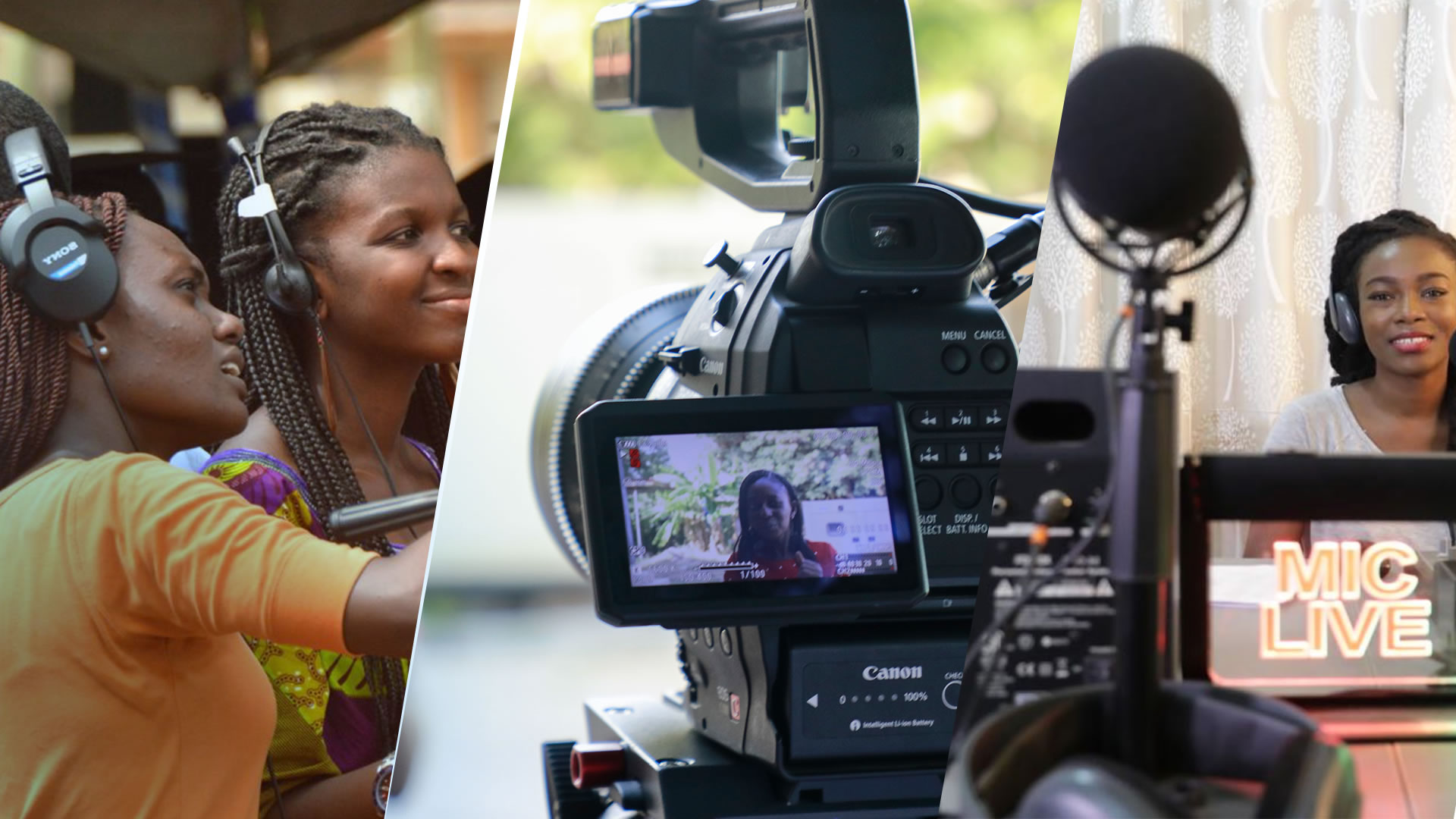
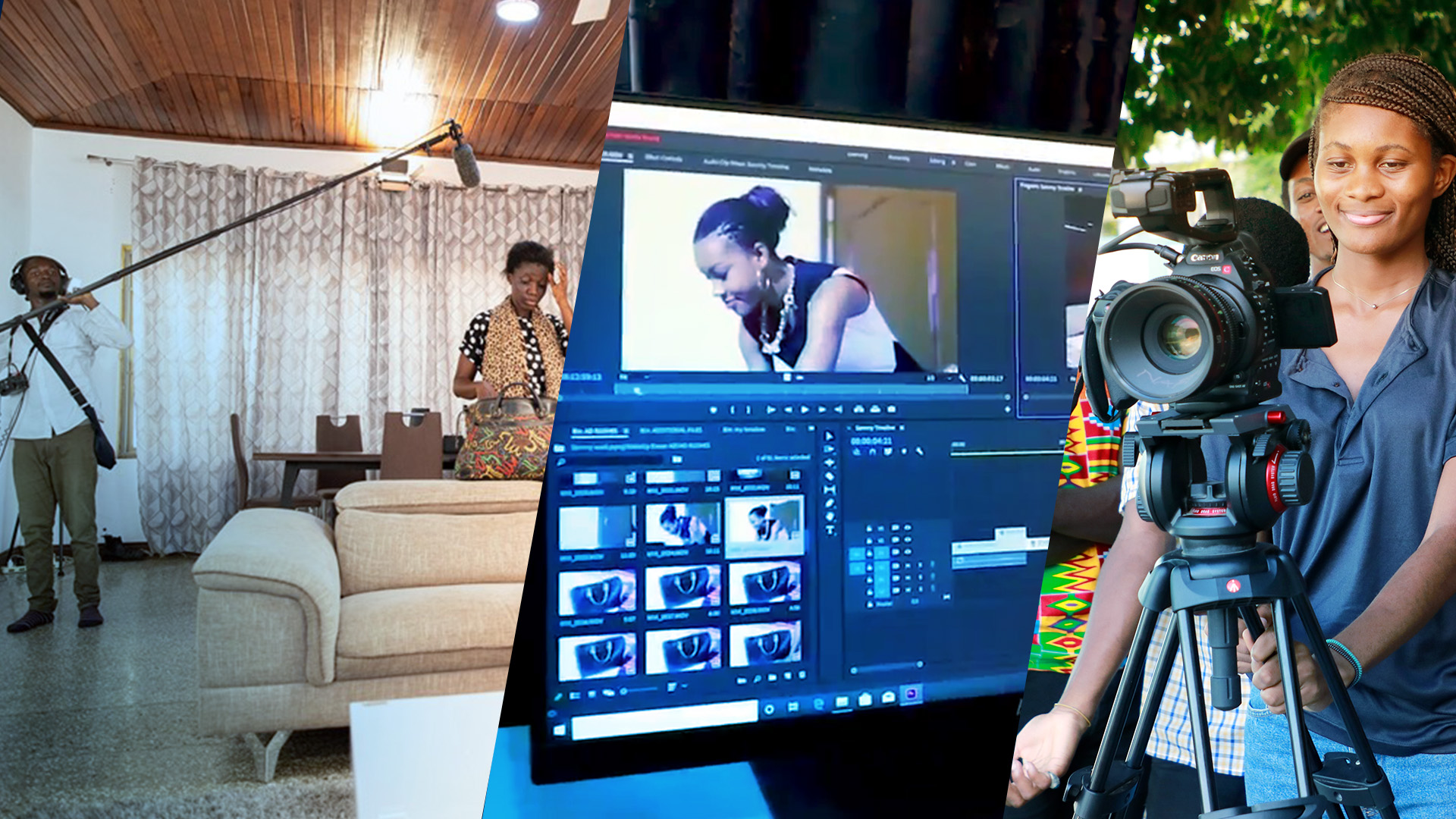
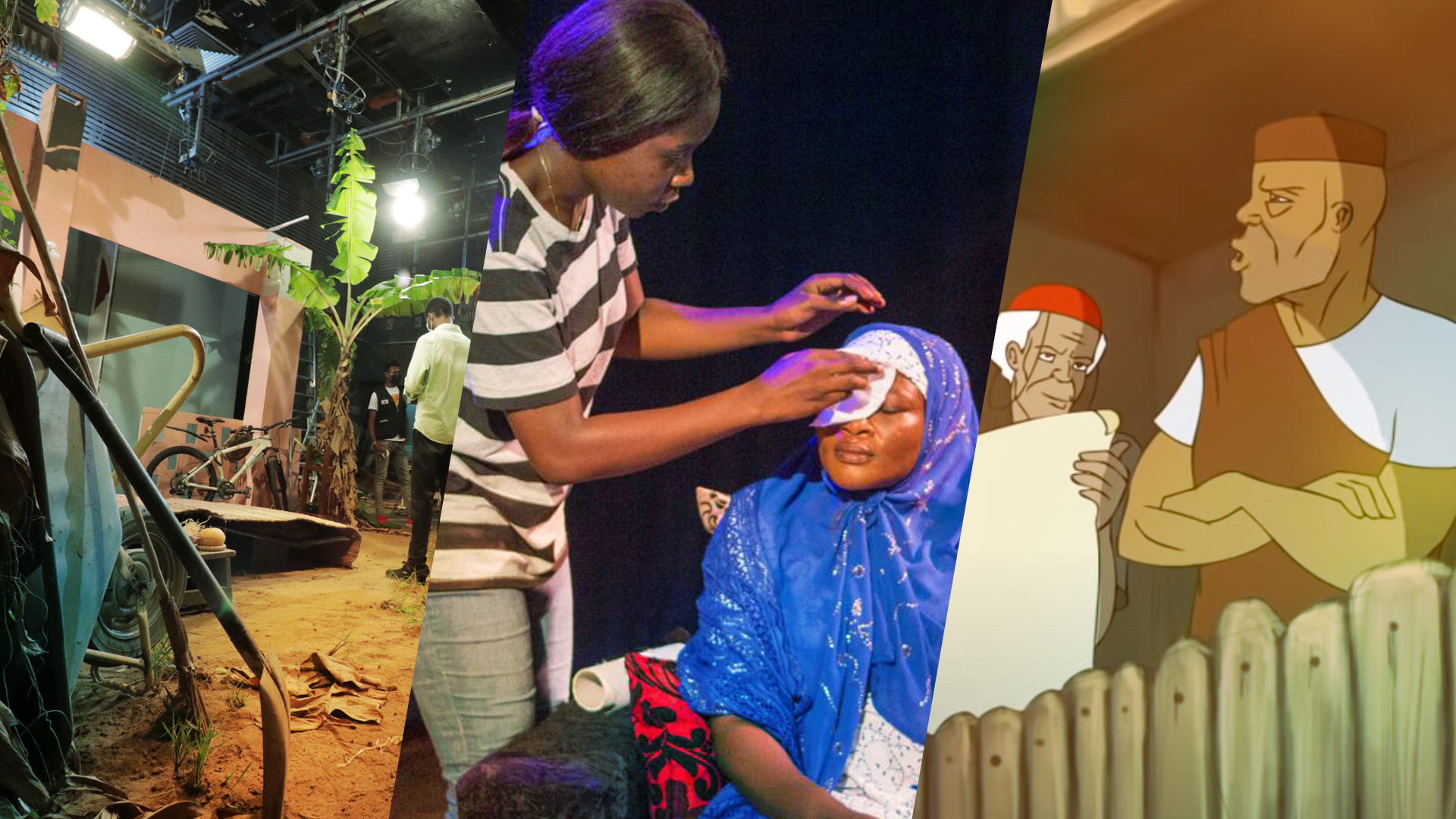
BACHELOR OF FINE ARTS (BFA) IN FILM AND TELEVISION SOUND PRODUCTION Duration 4 years full-time The programme is organized on semester basis. Students normally attend a minimum of 18 hours lectures and practical work each week (usually daytime); students are expected to spend some additional amount of time each week in personal study and completing assignments. Admission. September each year Summary The degree programme in Film and Television Sound Production is unique and was the first such course in Africa and one of the best in the world in its special field of sound production for the screen. The programme is designed to equip students with a broad understanding of film, and training in the analysis of sound problems together with a set of practical skills required in professional sound production for film, television and animation. It provides great value to those wishing to enter the industry as sound professionals. The programme equips students with the skills, knowledge and understanding which allow them to compete on more than an equal footing with other similar motivated sound professionals by training them not only in the recording techniques and intellectual practices they require, but also the analytical professional and philosophical strategies which will help them in their careers. If you anticipated to enter the film and television industry or generally the media working as professional soundmen (sound recordist, sound editors, mixers, sound designers and supervisors) on feature films (fiction and non-fiction), television productions (drama, TV commercials, talk shows, entertainments, educational and promotional programmes) and computer animations, this course will equip you with the background and skills which you will require. You will have the opportunity to interact, in a cosmopolitan context, with teachers who have wide experience in all the areas mentioned above. Course aims and objectives This course aims to equip graduates for a career in Sound Production within a multimedia setting, be it a non-governmental body, a government agency or function as an individual sound professional. Aims:
Objectives: Students graduating from this programme will have demonstrated the following: · the ability to conceive, record and post-produce sound for the film, television and animation · the skills of sound recording, dubbing, editing and mixing in a moving picture environment. · the ability to produce film soundtracks which display creativity and originality, while fulfilling the prerequisites of the professional industries. · the ability to place their work in a historical and contemporary context, and to be aware of the creative potential of sound in film, television and animation. · a critical awareness of and the ability to engage in the theoretical discourse connecting to the study of music, sound in relation to moving image. · the practices in sound production within the stages of pre-production, production and post-production. Teaching methods Teaching will, in the main, take the form of weekly lectures followed by practicals in small groups. The practical will reinforce the delivery of the materials during lectures and provide opportunities for experience. Facilities: The faculty is equipped with first class facilities for training Film and Television Sound Production professionals. Our sound students enjoy the very best in facilities (all the modern digital sound recording formats you can think of) for location and studio sound recording and post production sound work. Also available, is the State of the Art Sound-Dubbing Studio (Jean Rouch Centre for Regional Sound Dubbing in Africa), which is equipped with the latest sound dubbing facilities for dubbing films from one language into another. What an extra experience our students will acquire: the techniques of dubbing a film in its original language into any other language. Entry Requirements The general requirements for admission to the Institute apply. Candidates would normally have completed either G.C.E ‘O’ or ‘A’- level or senior secondary school certificate (SSSCE) with passes in English Language, Mathematics, Science and three electives mainly: Physics, Mathematics and Chemistry with an aggregate of 24 or better in the case of SSSCE applicant, but passes in English, Mathematics, Physics and Chemistry in the case of G.C.E ‘O’ or ‘A’- level applicants
|
|
|
|